

News and Events
News
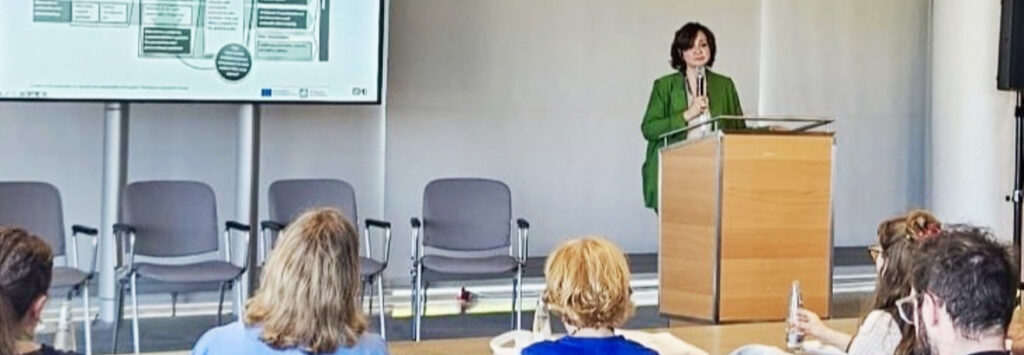
AIDA at ESMO GI 2026 and the DiCE Masterclass in Munich
AIDA at ESMO GI 2026 and the DiCE Masterclass in Munich
The AIDA consortium was proud to join the digestive cancer community in Munich during the 2026 edition of the ESMO Gastrointestinal Cancers Congress (ESMO GI 2026) and the DiCE Masterclass, two key events bringing together clinicians, researchers, patient advocates and healthcare professionals working to improve outcomes in digestive cancers.
One of the highlights of the week was the participation of Prof. Tania Fleitas-Kanonnikoff, Principal Investigator and Coordinator of the AIDA project, who delivered a presentation during the DiCE Masterclass focusing on innovation in gastric cancer prevention, early detection and patient care.
Her presentation showcased how multidisciplinary collaboration and artificial intelligence-driven tools can support healthcare professionals in identifying patients at risk of gastric cancer and implementing more personalised prevention and management strategies. These efforts align with AIDA's mission to improve decision-making processes and contribute to earlier diagnosis and better outcomes for patients across Europe.
Beyond scientific exchange, the events also provided an opportunity to strengthen the dialogue with patients and citizens. At the DiCE booth, Prof. Fleitas-Kanonnikoff shared a message on behalf of the AIDA consortium that resonated strongly with participants:
"Exercise and a healthy lifestyle are a must to prevent cancer."
This message reflects one of the core principles of cancer prevention: while innovation and technology are essential to advance healthcare, lifestyle interventions remain a powerful tool to reduce cancer risk and improve long-term health outcomes.
The message also perfectly captured the spirit of the DiCE Fun Run & Walk, an initiative that brought together participants in Munich to promote awareness, prevention and healthier lifestyles in digestive cancers. By combining science, community engagement and advocacy, the event highlighted the importance of empowering citizens to take an active role in their health.
As AIDA moves towards the final stages of the project, the consortium remains committed to bridging cutting-edge research with meaningful societal impact, ensuring that scientific innovation translates into tangible benefits for patients, healthcare systems and European citizens.
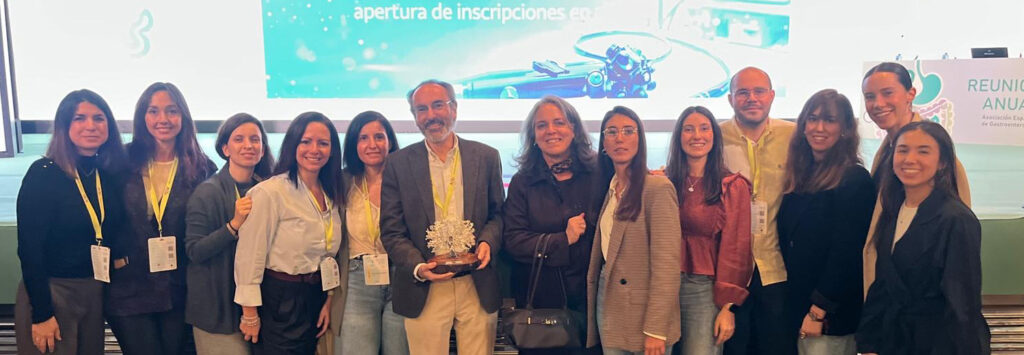
29th Annual Meeting of the Spanish Association of Gastroenterology
AIDA Partner SERMAS/FIBHUP at AEG 2026 in Madrid
The AIDA consortium is proud to highlight the outstanding participation of our partner SERMAS/FIBHUP at the 29th Annual Meeting of the Spanish Association of Gastroenterology (AEG 2026), one of Spain's leading scientific events in digestive health.
Held annually, the AEG Meeting brings together gastroenterologists, researchers, and healthcare professionals to discuss the latest advances in the prevention, diagnosis, and treatment of gastrointestinal diseases. The event provides an important platform for sharing scientific evidence and fostering collaboration across the digestive health community.
This year, the SERMAS/FIBHUP team made a significant contribution to the meeting, presenting 18 scientific posters focused on Helicobacter pylori infection and eradication therapies. This remarkable scientific output reflects the group's long-standing expertise and leadership in the field.
In addition to these poster presentations, the team delivered an oral communication presenting important findings from European clinical practice. The study evaluated the addition of the probiotic Saccharomyces boulardii CNCM I-745 to concomitant non-bismuth quadruple therapy, a treatment regimen that includes clarithromycin, amoxicillin, and metronidazole. The results demonstrated that adding the probiotic not only reduced treatment-related adverse events but also improved the effectiveness of first-line empirical Helicobacter pylori eradication therapy.
Helicobacter pylori is recognised as the main risk factor for gastric cancer and is classified as a Group 1 carcinogen by the World Health Organisation. Persistent infection can lead to chronic gastric inflammation and, over time, contribute to the development of precancerous lesions and gastric cancer. Improving eradication strategies is therefore a key component of gastric cancer prevention. Treatments that are both more effective and better tolerated may increase patient adherence and improve long-term outcomes.
The meeting also celebrated an important personal achievement for Prof. Javier P. Gisbert, who received the AEG Scientific Career Award in recognition of his outstanding scientific career and significant contributions to gastroenterology research. This distinction reflects decades of commitment to advancing clinical research and improving the care of patients with digestive diseases.
The AIDA consortium warmly congratulates Prof. Gisbert and the entire SERMAS/FIBHUP team on both their scientific contributions and this well-deserved recognition. Their work continues to strengthen research into Helicobacter pylori management and supports AIDA's mission of improving gastric cancer prevention across Europe.
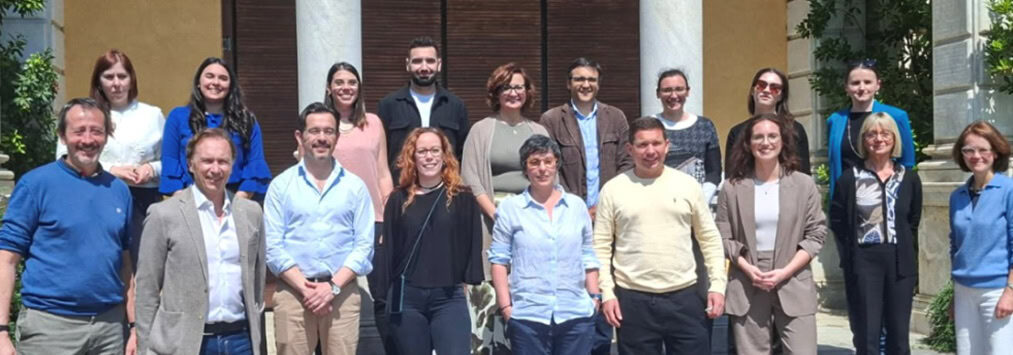
AIDA General Assembly 2026
AIDA General Assembly 2026
The AIDA consortium gathered in Genova, Italy, on April 21 & 22, 2026, for the annual General Assembly Meeting, bringing together researchers, clinicians, AI experts, and patient representatives from across Europe to review progress and discuss the next steps of the project.
Hosted at Villa Quartara, the meeting highlighted the progress achieved by the project over the past year. Over the two days, AIDA partners discussed the latest advances of the project, including the prevalence and selection of Helicobacter pylori affected individuals, the identification of precancerous lesions using AI on endoscopy images and pathology slices, and the development of AI for biomarkers and molecular profiling.
Beyond the scientific developments, the consortium discussed the long-term sustainability of the project through the newly established AIDA Association, which will help ensure the continuity of the data collaborative and future research initiatives. The association is expected to facilitate international collaborations, attract new partners, and support future funding opportunities.
Communication, dissemination, and exploitation activities were also part of the discussions. Presenting the growth of AIDA’s digital outreach, including social media engagement, webinars, educational materials, and awareness activities designed to bridge the gap between complex scientific research and the broader public.
The General Assembly concluded with strategic discussions on publication plans, exploitation pathways, policy impact, and future implementation of the AIDA tools into clinical practice.
As gastric cancer remains one of the leading causes of cancer-related deaths worldwide, initiatives like AIDA demonstrate how European collaboration and AI innovation can contribute to earlier diagnosis, more personalised care, and better outcomes for patients.
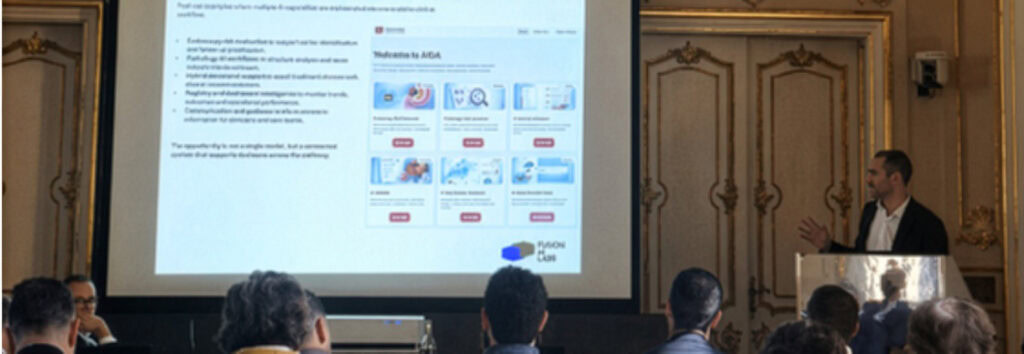
AIDA Showcases AI Innovation at “AI for Healthcare, Longevity & Wellness” Event in Genova
AIDA Showcases AI Innovation at “AI for Healthcare, Longevity & Wellness” Event in Genova
On April 23, 2026, the AIDA project was presented in the “AI for Healthcare, Longevity & Wellness” event in Genova, Italy, an international meeting dedicated to exploring how artificial intelligence is transforming healthcare and medical innovation.
Organised by Fusion AI Labs, the event brought together clinicians, researchers, industry experts, and healthcare innovators to discuss the future of AI-driven medicine, including clinical decision-making, healthcare regulation, and the integration of AI tools into hospital systems.
During the event, the AIDA consortium presented its work on developing AI-based tools to support the prevention and early detection of gastric cancer. The project focuses on helping clinicians identify precancerous gastric lesions earlier by combining endoscopy imaging, pathology, biomarkers, molecular profiling, and patient data into advanced AI models.
Professor Kiril Veselkov from Imperial College London presented an overview of AIDA’s scientific approach and highlighted the growing clinical need for better gastric cancer prevention strategies. He explained how the project uses large-scale European datasets to train AI models capable of supporting personalised patient management and improving clinical decision-making.
Antonello Scalmato from Stratejai focused on the practical implementation of these innovations in healthcare systems. His presentation explored how integrated AI tools could support clinicians throughout the patient journey, from endoscopic risk assessment to personalised clinical recommendations. The goal is to simplify complex workflows while improving diagnostic accuracy and patient care.
One of the key themes discussed during the event was the importance of translating AI research into tools that are clinically useful, trustworthy, and accessible for healthcare professionals. The AIDA project represents a strong example of multidisciplinary collaboration between hospitals, research centres, patient organisations, and technology experts working together toward this objective.
The participation of AIDA in this event highlights the increasing relevance of AI in cancer prevention and demonstrates how European-funded research projects are contributing to the future of personalised medicine.
As the project continues to evolve, AIDA aims not only to advance scientific knowledge but also to support real-world implementation of AI solutions that can improve prevention strategies, optimise healthcare resources, and ultimately save lives.
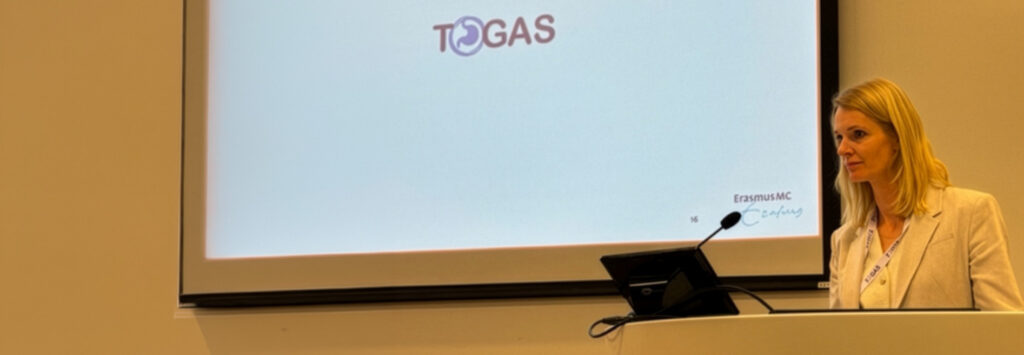
AIDA Highlighted at TOGAS Closing Meeting: Shared Efforts Advancing Gastric Cancer Prevention
AIDA Highlighted at TOGAS Closing Meeting: Shared Efforts Advancing Gastric Cancer Prevention
The AIDA project was highlighted during the closing meeting of the TOGAS project, reinforcing the strong scientific connections and collaboration between both European initiatives dedicated to improving gastric cancer prevention and management.
TOGAS is an international research project with several institutions as partners in both TOGAS and AIDA, strengthening collaboration across research, clinical practice, and innovation in gastrointestinal health.
One of the scientific presentations attracting particular interest during the meeting was: “Comparison of endoscopic and histological assessment of gastric intestinal metaplasia (IM): Do we still need biopsies?” presented by Judith Honing (Erasmus MC).
The presentation explored the relationship between advanced endoscopic evaluation and traditional histological biopsy assessment in detecting gastric intestinal metaplasia, a key precancerous lesion associated with gastric cancer development. The discussion addressed an important clinical question: whether advances in endoscopic imaging and AI-assisted technologies may eventually reduce the need for invasive biopsies in certain clinical settings.
This topic closely aligns with the goals of the AIDA project, which aims to develop AI-powered diagnostic tools capable of improving the detection and characterisation of gastric precancerous lesions through endoscopy, pathology, molecular profiling, and personalised risk prediction.
As research in this field advances, collaborations between initiatives such as AIDA and TOGAS are helping accelerate innovation, improve clinical decision-making, and contribute to earlier diagnosis and prevention of gastric cancer across Europe.
More information about the TOGAS project is available here.

AIDA Webinar Series
AIDA Webinar Series
In June 2025, the AIDA project launched a three-part webinar series dedicated to improving understanding and prevention of gastric cancer, one of the world’s most deadly yet preventable cancers. Led by experts from leading Spanish institutions, the series brought together clinicians, researchers, patients, and the wider public for dynamic and interactive learning sessions.
Each webinar was delivered in Spanish, with English subtitles now available to ensure accessibility across Europe. Below, we summarise the key topics explored and provide access to the full recordings.
Webinar 1: Epidemiology and Hereditary Gastric Cancer
The series opened with a session led by Dr. Constanza Camargo and Dr. Tania Fleitas, who explored:
- The global and European burden of gastric cancer
- Risk factors and trends in incidence
- Key concepts of hereditary gastric cancer
- Why early detection and prevention strategies matter
Their discussion highlighted how understanding the roots of gastric cancer, both environmental and genetic, is essential for designing effective public health strategies.
Watch the full webinar (with English subtitles): https://www.youtube.com/watch?v=xLaTROj510w&t=58s
Webinar 2: Diagnosis and Eradication of Helicobacter pylori
The second session focused on Helicobacter pylori (H. pylori), a bacterial infection responsible for most gastric cancer cases worldwide. Speakers Samuel Martínez, Javier Tejedor, and Mónica Sánchez, moderated by Dr. Javier P. Gisbert, discussed:
- Frequent mistakes in diagnosing and treating pylori infection
- Keys to achieving successful eradication
- Updated and effective therapeutic strategies
The experts emphasised that eliminating H. pylori remains one of the most powerful tools in gastric cancer prevention.
Watch the full webinar (with English subtitles): https://www.youtube.com/watch?v=tg81YZmpPYQ&t=126s
Webinar 3: Precancerous Gastric Cancer Lesions
The final session, led by Dr. Miriam Cuatrecasas, Dr. Glòria Fernández-Esparrach, and Dr. Leticia Moreira, addressed:
- What precancerous lesions are and why they matter
- How to interpret endoscopic findings
- Best practices for surveillance and follow-up
- How early identification can dramatically reduce cancer risk
This session tied together key elements of the AIDA mission: improving diagnostic accuracy, refining patient monitoring, and ultimately detecting gastric cancer at its earliest, and most treatable, stage.
Watch the full webinar (with English subtitles): https://www.youtube.com/watch?v=OYjdYXJUW70
The AIDA Webinar Series reflects our commitment to empowering healthcare professionals and the public with accurate, accessible information. These educational efforts complement AIDA’s broader goal: developing an AI-powered diagnostic assistant to support earlier detection, personalised monitoring, and better outcomes in gastric cancer prevention.
We extend our gratitude to all speakers, moderators, participants, and partners who made this series possible.
Stay tuned for more educational initiatives and project updates!
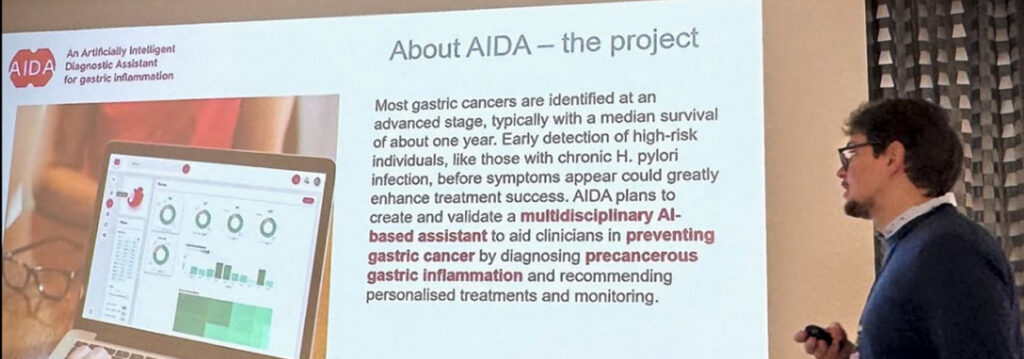
AIDA at the Daiichi Sankyo European Oncology Patient Advocacy Forum
AIDA at the Daiichi Sankyo European Oncology Patient Advocacy Forum
AIDA was featured at the Daiichi Sankyo European Oncology Patient Advocacy Forum in Munich, where Digestive Cancers Europe (DiCE) presented how the project uses artificial intelligence to support personalised gastric cancer prevention.
The forum gathered patient advocates and experts to discuss how AI can enhance oncology by:
- Empowering patients
- Improving early detection
- Supporting personalised treatment decisions
- Accelerating research
AIDA’s AI models aim to detect precancerous gastric inflammation early and translate complex data into meaningful insights for clinicians and patients.
This event highlighted the importance of patient-centred innovation and reinforced AIDA’s commitment to engaging the public, listening to patient experiences, and ensuring AI tools support real clinical needs.
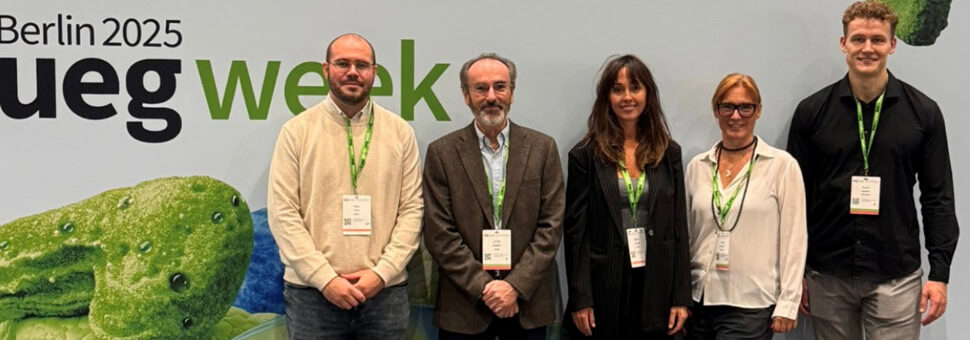
AIDA at UEG Week 2025 in Berlin
AIDA at UEG Week 2025 in Berlin
AIDA was delighted to participate in UEG Week 2025 in Berlin, one of Europe’s most important events for digestive health professionals.
Members of the consortium presented progress in developing the AI diagnostic assistant designed to detect precancerous lesions earlier in the disease pathway. They also exchanged insights on how personalised treatment and monitoring strategies could be implemented across Europe.
UEG Week provided an excellent opportunity to strengthen collaborations, gather expert feedback, and share AIDA’s vision for reducing gastric cancer burden through advanced technology and multidisciplinary cooperation.
AIDA Featured by CORDIS
AIDA Featured by CORDIS: AI Supporting Clinicians for Better Prevention
AIDA was recently featured by CORDIS, the official portal of the European Commission for EU-funded research results, highlighting the project's AI-powered diagnostic assistant for Helicobacter pylori treatment and gastric cancer prevention.
Using data from over 38,000 patients across Europe, AIDA’s AI system provides personalised treatment recommendations that significantly improve eradication success. The tool considers individual patient factors such as symptoms, allergies, medications, and age.
Importantly, this innovation complements, not replaces, clinical expertise. By supporting timely, data-driven decisions, the AI enables earlier intervention and more effective prevention strategies.
The CORDIS feature reflects the growing recognition of AIDA’s potential to transform gastric cancer prevention through artificial intelligence.
To read the full publication: https://cordis.europa.eu/article/id/460595-ai-powered-clinician-to-aid-stomach-cancer-treatment
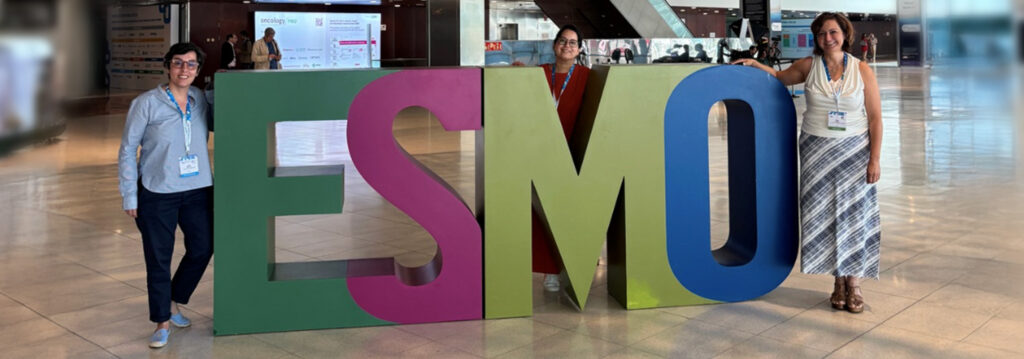
AIDA at ESMO GI Congress and DiCE’s Masterclass
AIDA at ESMO GI Congress and DiCE’s Masterclass
AIDA proudly participated in the ESMO Gastrointestinal Cancers Congress and the Digestive Cancers Europe Masterclass, joining leading clinicians, researchers, and patient advocates to discuss the future of digestive cancer prevention.
At the event, the AIDA consortium showcased the development of its AI-powered diagnostic assistant designed to help clinicians identify precancerous gastric inflammation earlier and with greater precision. The tool aims to support personalised monitoring and guide treatment decisions that could prevent gastric cancer before it develops.
These discussions underscored AIDA’s commitment to working alongside the European cancer community to deliver innovative, evidence-based solutions that improve patient outcomes.
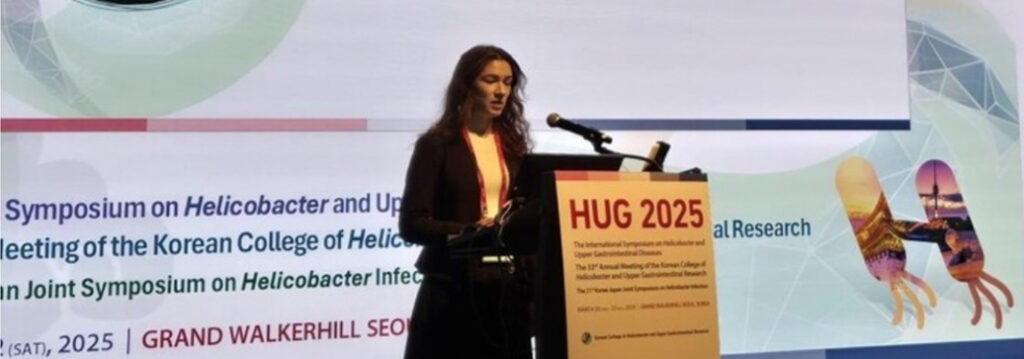
LU KPMI Represents Europe at HUG 2025
AIDA Partner LU KPMI Represents Europe at HUG 2025 in Seoul
From 20–22 March, AIDA partner LU KPMI (University of Latvia) participated in the HUG 2025 Symposium in Seoul, South Korea, one of the leading international meetings focused on Helicobacter pylori and upper gastrointestinal diseases.
Dr. Danute Ražuka-Ebela presented Europe’s ongoing research efforts to reduce gastric cancer incidence, emphasising the role of AIDA in transforming diagnosis and early detection.
AIDA is currently developing advanced AI models capable of analysing histopathological images with over 85% accuracy, supporting specialists in detecting precancerous inflammation and early abnormalities during endoscopy.
This global engagement enhances international collaboration and ensures that AIDA makes meaningful contributions to worldwide efforts in gastric cancer prevention, diagnosis, and patient care.
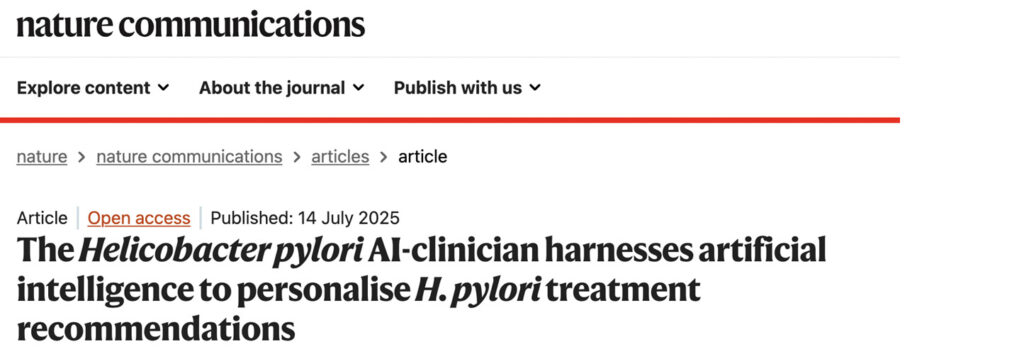
AI Breakthrough in Nature Communications
AIDA Publishes Major AI Breakthrough in Nature Communications
AIDA researchers have published a significant scientific advance in Nature Communications: an AI-powered “Clinician” capable of recommending personalised treatment for Helicobacter pylori (H. pylori), the leading cause of gastric cancer worldwide.
The system was developed using reinforcement learning and trained on real-world data from more than 38,000 patients in the European Hp-EuReg registry. The results are striking. AI-recommended therapies showed a 94.1% eradication success rate, compared with 88.1% for standard treatment.
This innovative approach does not replace doctors but strengthens clinical decision-making. By analysing thousands of patient profiles and treatment pathways, the AI provides evidence-based recommendations tailored to each individual. The system is currently being evaluated for integration into future clinical workflows.
This achievement marks an important step in AIDA’s mission to reduce gastric cancer burden through advanced diagnostic and therapeutic tools powered by artificial intelligence.
To read the full article: https://doi.org/10.1038/s41467-025-61329-5
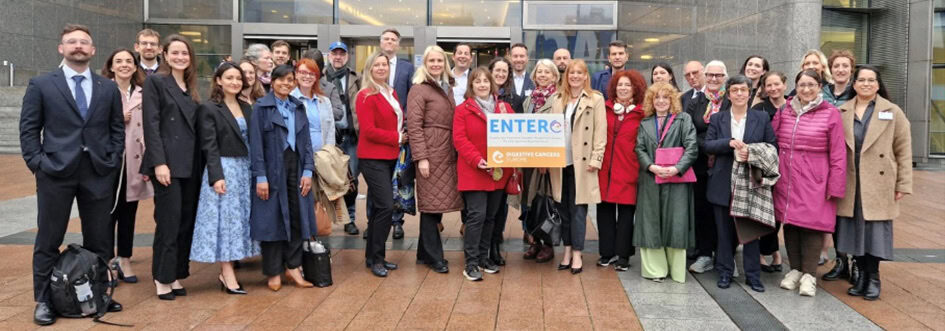
ENTERO Policy Event
DiCE Hosts ENTERO Policy Event at the European Parliament
On April 24th, Digestive Cancers Europe (DiCE), a partner of the AIDA consortium, organised the ENTERO Policy Event at the European Parliament. The event brought together policymakers, clinicians, researchers, and patient advocates to highlight a growing concern in Europe: the rise of early-onset digestive cancers, including colorectal and gastric cancer.
These cancers are increasingly affecting people under the age of 50 and often present with more aggressive behaviour. The ENTERO event provided a platform to discuss real-world patient cases, identify gaps in prevention and early detection, and explore opportunities for EU-wide action.
For AIDA, DiCE’s leadership in raising policy awareness is essential. By amplifying the patient voice and promoting prevention-focused strategies, DiCE helps ensure that AIDA’s research on AI-driven risk assessment and early detection aligns with the real needs of European citizens.
Horizon Europe Conference
AIDA Showcased at the Horizon Europe Conference in Oviedo
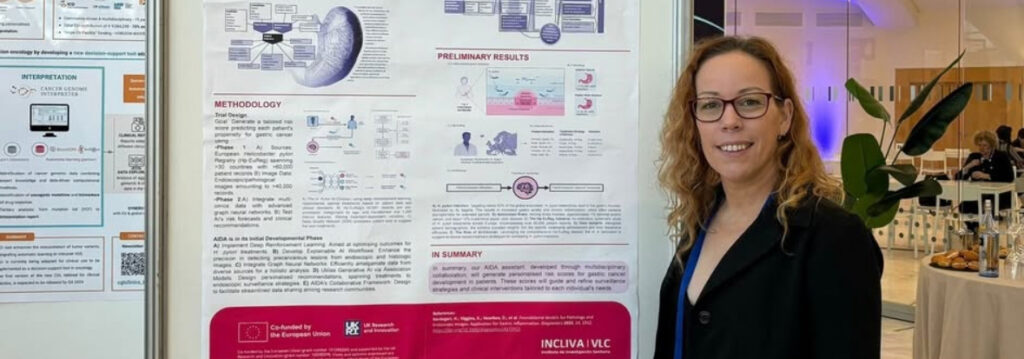
On 28 November 2024, AIDA was spotlighted at the 12th Horizon Europe Framework Programme Conference in Oviedo, Spain. Representing AIDA, Ana Miralles Marco, Project Manager of AIDA, participated in this prestigious event, presenting the project’s latest advancements in gastric cancer prevention.
Organised by CDTI Innovación - Centro para el Desarrollo Tecnológico y la Innovación, in collaboration with the Ministry of Science and Innovation of Spain, the European Commission, Agencia Sekuens, and the City Council of Oviedo, the conference served as a crucial platform for researchers, policymakers, and innovators to discuss the progress and impact of Horizon Europe-funded projects. At the event, Ana Miralles presented a poster on the AIDA project, showcasing its mission to enhance gastric cancer prevention using an AI-powered diagnostic assistant. This initiative aims to improve early detection and support clinical decision-making, ultimately leading to better patient outcomes.
As the EU’s flagship research and innovation funding programme, Horizon Europe is dedicated to tackling global challenges through scientific advancements and collaboration. By supporting groundbreaking initiatives like AIDA, the programme plays a vital role in shaping the future of healthcare and cancer research.

Conversation on Early-Age Onset Digestive Cancers
ENTERO 2024: AIDA Member DiCE Leads the Conversation on Early-Age Onset Digestive Cancers
One of our AIDA members, Digestive Cancers Europe (DiCE), successfully organised ENTERO 2024 in Porto, Portugal. A groundbreaking conference focused on the rising challenge of early-age onset digestive cancers.
ENTERO 2024 shed light on the increasing prevalence of gastric, colorectal, pancreatic, and biliary tract cancers among younger populations. This growing trend has raised significant concerns within the medical and research communities, emphasizing the urgent need for early detection, prevention, and improved treatment strategies.
The conference featured a dynamic program, including:
- Expert panels shared the latest research findings and medical advancements.
- Patient-led discussions offering personal insights into the impact of early-age onset digestive cancers
- Q&A sessions provided an interactive space for attendees to engage with specialists
ENTERO 2024 offered a holistic approach to tackling these diseases by bringing together researchers, healthcare professionals, patient advocates, and policymakers to drive meaningful change.
Beyond knowledge sharing, the event aimed to raise awareness, encourage early screening, and promote proactive health measures to combat digestive cancers. By fostering collaboration and uniting experts in the field, ENTERO 2024 has taken an essential step towards improving patient outcomes and inspiring change.
European Researchers' Night
AIDA Team Joins the European Researchers' Night in Valencia
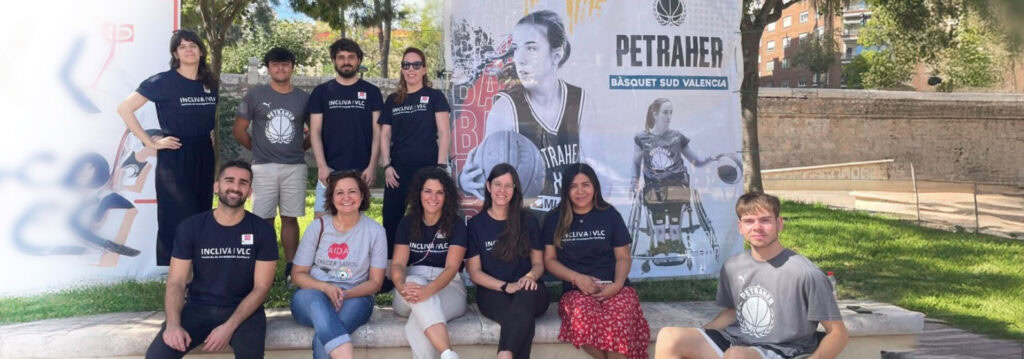
On September 27, 2024, the INCLIVA Instituto de Investigación Sanitaria, the Project Coordinator of AIDA, actively participated in the European Researchers' Night in Valencia. This annual event, celebrated across Europe, brings science closer to the public through engaging activities and interactive experiences.
With over 20 hands-on workshops, the AIDA team, alongside other researchers, dedicated the night to raising awareness about healthy lifestyle habits and cancer prevention. Visitors of all ages had the opportunity to interact with experts, learn about cutting-edge research, and understand the importance of science in everyday life. Through engaging demonstrations, the AIDA team highlighted the significance of gastric cancer research and prevention, reinforcing the project’s commitment to advancing healthcare and promoting public well-being.
Participating in the European Researchers' Night allows AIDA to connect with the community, inspiring the next generation of scientists and reinforcing the impact of collaborative research. Events like these emphasize the importance of sharing knowledge beyond laboratories, making science accessible and engaging for all.

Thank you for attending!
06/05/2024 Thank you for joining us at the AIDA Webinar: Fighting against Helicobacter Pylori: Experience Based on 10 Years of the HpEuReg. Your presence and active participation made the event a resounding success. If you were unable to attend, you can watch the recording here:
AIDA Survey
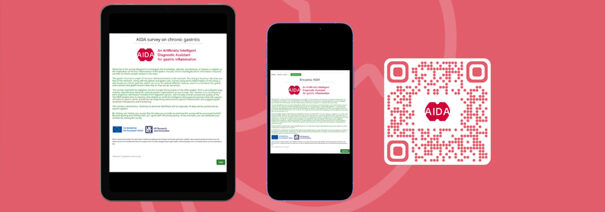
We are working on an AI tool to help detect gastric cancer early, but first, we need your views!
AIDA survey is anonymous, meaning no personal identifiers will be captured. All data will be pooled and analysed together.
Please spread the word about the survey and help us develop an intelligent AI tool to detect cancer earlier!
The survey is available in multiple languages:
- 🇬🇧 https://digestivecancers.limesurvey.net/919165?lang=en
- 🇵🇹 https://digestivecancers.limesurvey.net/872374?lang=pt
- 🇳🇱 https://digestivecancers.limesurvey.net/415576?lang=nl
- 🇱🇻 https://digestivecancers.limesurvey.net/464112?lang=lv
- 🇱🇹https://digestivecancers.limesurvey.net/454558?lang=lt
- 🇫🇷 https://digestivecancers.limesurvey.net/165953?lang=fr
- 🇪🇸 https://digestivecancers.limesurvey.net/727798?lang=es
This survey is organised by Digestive Cancers Europe (DiCE) as part of the AIDA (Artificially Intelligent Diagnostic Assistant) project.
DiCE is an umbrella organisation representing nearly 40 national patient organisations across Europe. Our mission is to contribute to early diagnosis, decrease mortality from digestive cancers, and increase overall survival and quality of life.
The AIDA project aims to develop and validate an artificial intelligence (AI) powered assistant that will support clinicians in gastric cancer prevention by diagnosing precancerous gastric inflammation and suggesting personalised therapeutics and monitoring.
First Educational Session within the AIDA Project
05/10/2023
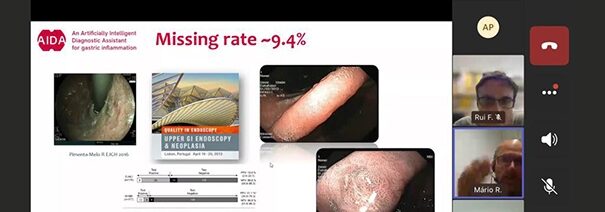
We’re thrilled to share that our first educational session within the AIDA project, “Guidelines for management of patients with precancerous conditions and lesions in the stomach,” was a huge success!
We had the privilege of having Prof. Mário-Dinis Ribeiro from IPO Porto, Portugal as our esteemed presenter. With his extensive expertise in the field, he shared valuable insights on how to manage precancerous conditions and lesions in the stomach effectively.
Stay tuned for more updates on the AIDA EU project. We’re committed to ensuring you have the resources you need to make informed decisions and receive the best possible care.

Healthcare in the Era of AI
During the event, Stratejai will present the preliminary results and takeaways of the 2023 program of the Council through keynotes and panel discussions. Speakers will also introduce several use cases of data and AI applications. At the event, three AIDA partners were present (INCLIVA, Imperial College London, Stratejai) and Ricard Martinez from the University of Valencia, who is part of the AIDA external ethics board.
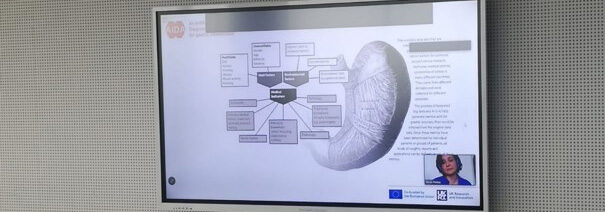
Presentation of AIDA at the TOGAS Kick-off Meeting
Empowering All Healthcare Meeting
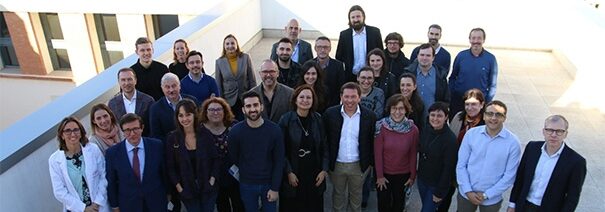
AIDA Kick-off Meeting
Events
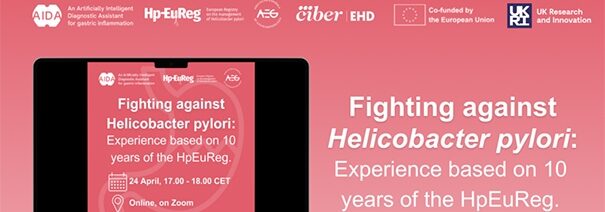
Webinar: Fighting against Helicobacter pylori: Experience based on 10 years of the HpEuReg
Fighting against Helicobacter pylori: Experience based on 10 years of the HpEuReg We are delighted to invite you to our webinar commemorating the Registry’s decade.
We are delighted to invite you to our webinar commemorating the Registry's decade of success. Join us on 24 April at 5pm CET for an inspiring event.
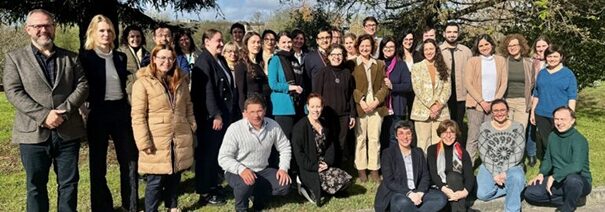
Aida Consortium Holds General Assembly Meeting at i3S- Porto
The Aida Consortium recently convened its first general assembly meeting on March 4 and 5 at i3S-Porto. The gathering focused on reviewing the project’s progress and outlining future steps to advance the innovative AI diagnostic assistant for detecting lesions before gastric cancer.
Day 1 Highlights
During the first day of the meeting, discussions centred on the application of AI in various areas such as endoscopy and pathology, biomarkers and molecular phenotyping, as well as immunological, molecular, and microbiome characterisation. The consortium also examined different subtypes of Helicobacter pylori alongside dissemination and communication strategies. Additionally, the team explored the synergies between the AIDA and TOGAS projects and the collaborative efforts with the EUCanSCreen Joint Action initiative.
Participants enjoyed a social dinner at the UVA by Calem restaurant to conclude the day’s proceedings, offering a picturesque view of Porto and the stunning Douro River.
Day 2 Focus
On the second day, the consortium delved into Work Packages 5 and 6 presentations. These sessions covered advanced AI analysis, risk factors, personalised applications, collaborative data foundation, governance, and architecture. The insights shared during these presentations are critical for advancing the capabilities of the AI-powered diagnostic assistant envisioned by the Aida project.
With these discussions and exchanges, the Aida Consortium marks a significant milestone in developing a multidisciplinary AI-powered assistant to aid clinicians in gastric cancer prevention. The consortium’s commitment to exploring cutting-edge technologies and fostering collaborations continues to drive the project forward.
Stay tuned for more updates and insights on the Aida project as it progresses towards its goal of combating gastric cancer through AI innovation.
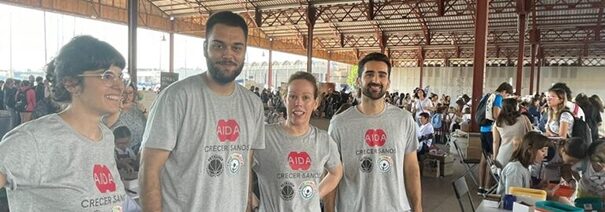
Mediterranean Night of Women Researchers
The Mediterranean Night of Women Researchers was held last 29 September 2023 in Valencia, Spain! We were thrilled to participate in the event and share our mission.
“GROWING HEALTHY” is dedicated to promoting healthy lifestyle habits in the community, with a special focus on children and teenagers. Through sports and advocating for nutritious eating, we aim to empower individuals to lead healthier lives.
The AIDA project and Petraher Basketball Club organised basketball-related activities and fundamental knowledge about maintaining a healthy diet. We believe in the power of sports and nutrition to positively impact our well-being.
Throughout the day, there were multiple events, all free of charge for attendees – an opportunity to engage with the research staff of the participating organisations and learn more about our work.
We were delighted to have Ana M. Miralles Marco and Tania Fleitas Kanonnikoff present at the event! Their expertise and passion for our cause surely inspired all who attended.
Together, let’s work towards a healthier future for everyone.